Long-form thinking from the team designing the next generation of in-store collection programmes. Written for retail leaders, sustainability teams, and the people running EPR schemes who want the numbers to land.
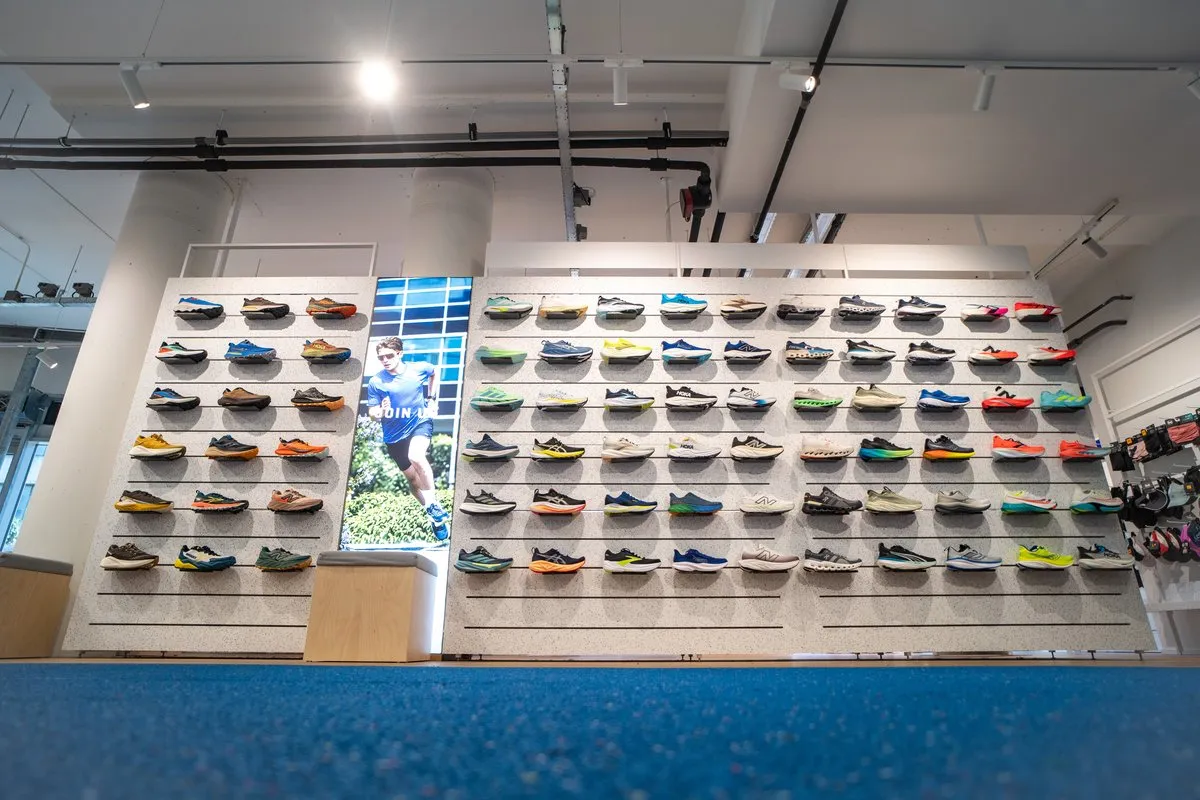
At the current rate of improvement, the EU textile capture rate hits the 2030 base case ambition somewhere around 2071. We published a white paper setting out the evidence for retail take-back as the channel that closes the gap.
Read article →
Why a decade of take-back scandals has trained consumers to expect the worst, and what brands, EPR schemes and the trade press can do about it.
Read article →
Customer participation is the data that turns sustainability from a compliance line into a contribution line. It is missing from almost every emerging standard. Here is why that matters, and what an unlikely source did about it.
Read article →
Every conversation about circularity comes back to product data. The industry is chasing perfection on the product. The real unknown is the person at home with two options in front of them.
Read article →
The global circularity rate fell from 9.1% to 6.9% while industry discussion tripled. The scorecard is the problem, not the values.
Read article →
Collection targets are doubling across textiles, electronics and batteries. Participation design hasn't changed. The behavioural science of incentives reveals a double ceiling most programmes cannot see.
Read article →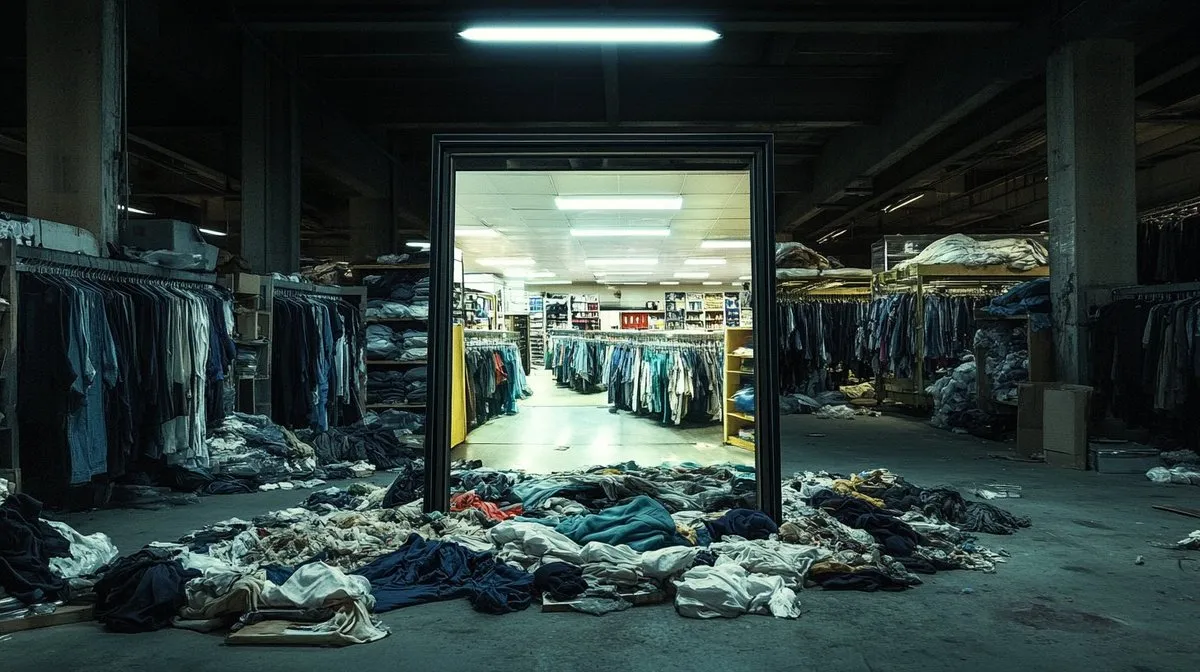
SHEIN surveyed 15,461 consumers: 43% want physical take-back bins. Digital product passports ranked last. What this means for retailers building collection infrastructure.
Read article →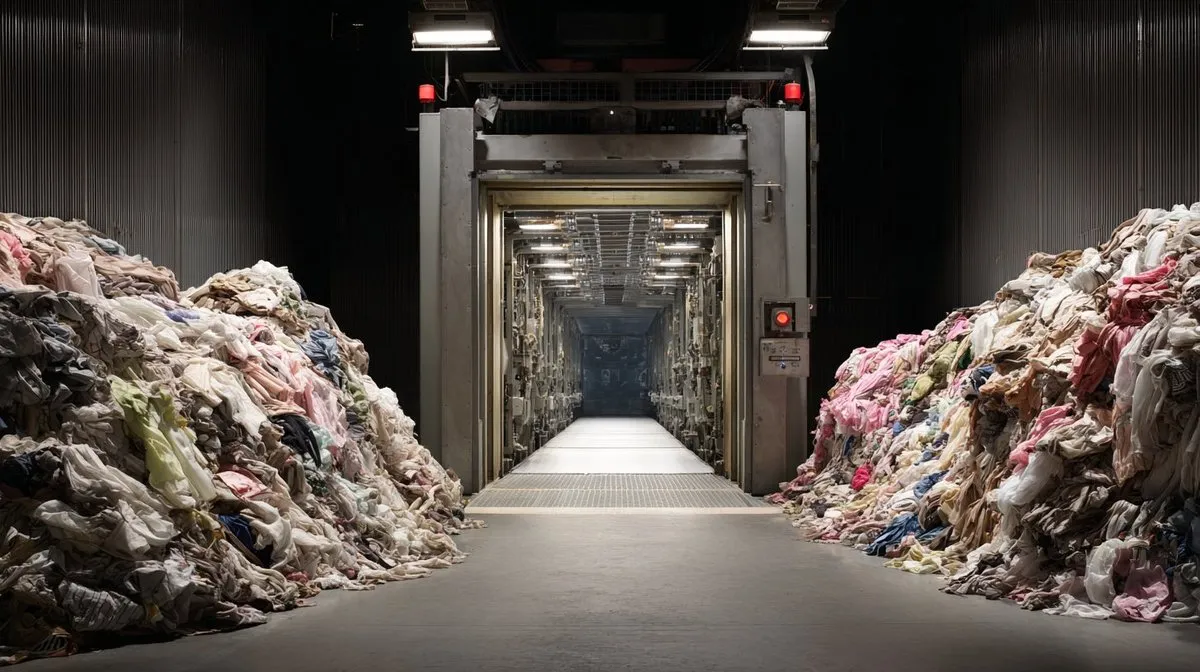
A cotton recycler needs 95% purity. Syre needs polyester. Infinited Fiber needs 88% cotton. Contamination is killing textile recycling at scale, and verification is the missing piece.
Read article →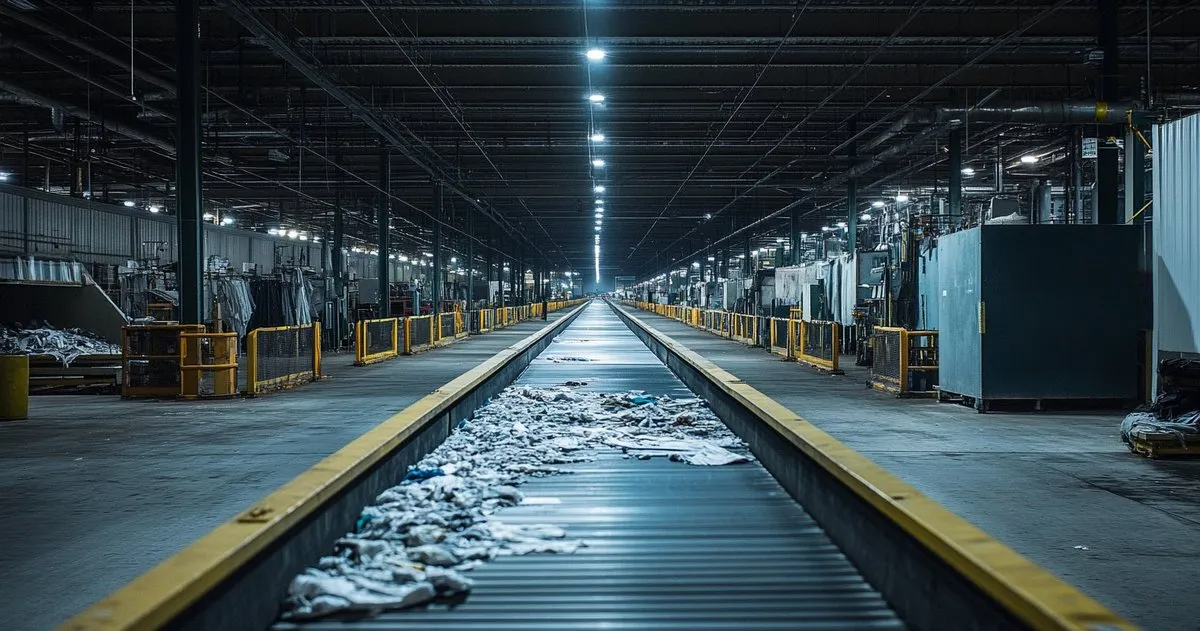
Renewcell raised $200M and went bankrupt because feedstock never arrived. Billions more are flowing into recycling plants. Who is building the collection infrastructure?
Read article →
Running participation is at record levels. Brands are posting record growth. But end-of-life investment hasn't kept pace. The fix is simpler than anyone thinks.
Read article →
Repair matters, but for the vast majority of end-of-life products, take-back needs the investment. The energy imbalance doesn't match the scale of the problem or the opportunity.
Read article →
Most retailers treat take-back as a cost. The numbers say it's one of the cheapest, highest-intent customer acquisition channels available — if you capture the data.
Read article →
The fashion industry quietly absorbed the cost of destroying usable products. New EU rules don't just ban destruction; they demand evidence brands genuinely tried to prevent it.
Read article →
Sustainability teams avoid commercial levers. Brands want growth-friendly sustainability. Consumers won't change without convenience. Everyone's waiting for someone else to move.
Read article →
The EU's updated Waste Framework Directive introduces Extended Producer Responsibility for textiles. If you sell clothing or footwear in the EU, you're now responsible for end-of-life.
Read article →Twenty minutes with Tim — co-founder, author of these posts, the person who designed the pilots they describe.
Tim Lee · co-founder, Utilitarian.